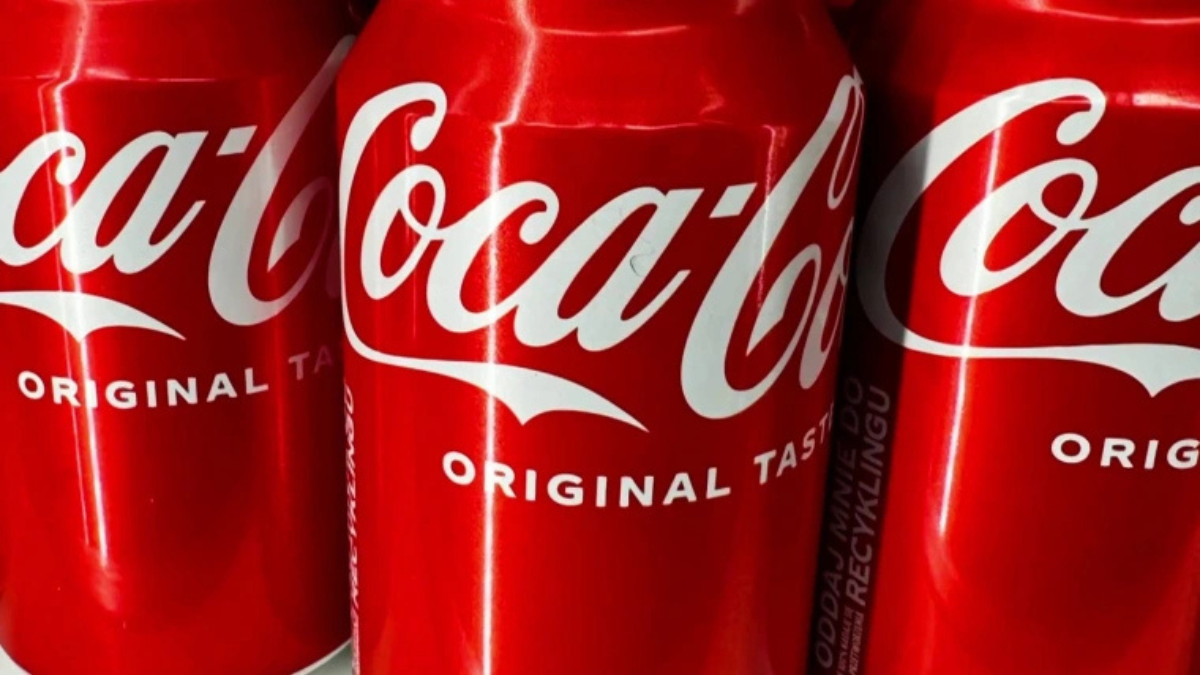
Sprite soda recall : Coca-Cola, one of the world’s largest and most recognizable beverage companies, has announced a recall of three of its popular soda products due to potential foreign material contamination. This precautionary recall affects select units of Coca-Cola Zero Sugar, Coca-Cola Classic, and Sprite, raising consumer safety concerns and prompting immediate action from the company and federal authorities.
What Products Are Affected?
According to the Food and Drug Administration (FDA), the recall specifically includes the following Coca-Cola products:
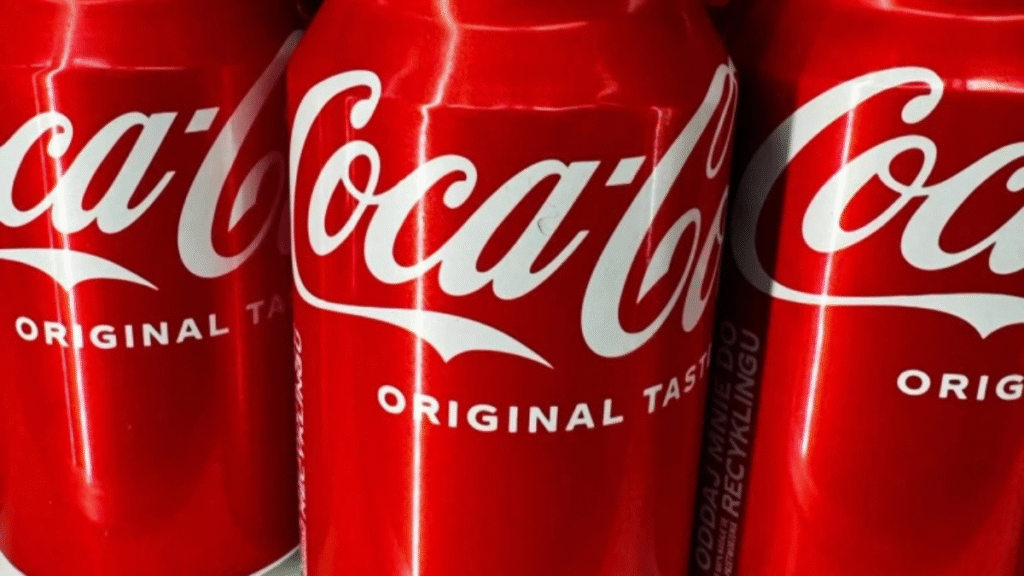
- Approximately 1,115 units of 12-ounce Coca-Cola Zero Sugar cans, packaged in 12- and 35-count packs.
- Around 2,322 units of 12-ounce Coca-Cola Classic cans, packaged in 24- and 35-count packs.
- A total of 791 units of 12-ounce Sprite cans, packaged in 12- and 35-count packs.
These products were distributed primarily in select regions of Texas, including McAllen, Rio Grande Valley, and San Antonio, according to Coca-Cola Southwest Beverages LLC, the distributor for this recall.
Reason for Recall: Potential Foreign Material Contamination
The recall falls under the FDA’s Class II category, meaning the products may cause temporary or medically reversible adverse health effects, though serious consequences are considered less likely. The company has not disclosed the exact nature of the foreign material suspected to be in the beverages but has emphasized the recall is a precautionary measure to ensure consumer safety.
Timeline and Scope of the Recall
The recall was initially initiated by Coca-Cola Southwest Beverages LLC on October 3, 2025. Following an FDA review, the agency classified the recall as Class II a few weeks later, solidifying the need for consumers to be vigilant. All affected units were removed from store shelves by October 10 to minimize exposure.
Consumer Guidance: What to Do if You Have the Products
Consumers who have purchased Coca-Cola Zero Sugar, Coca-Cola Classic, or Sprite in the specified packaging and regions should immediately stop using the products. The company recommends returning the products to the point of purchase or disposing of them safely.
Retailers in the affected areas have been instructed to pull the products from shelves and halt any further sales to prevent additional exposure. Coca-Cola has also established dedicated customer support to address consumer questions and concerns regarding the recall.
Coca-Cola’s Commitment to Consumer Safety
Coca-Cola has long prioritized product safety and quality, responding swiftly whenever potential issues arise. The company stated that this recall was an “abundance of caution” move aimed at protecting its customers and maintaining trust in its brands.
What Class II Recall Means
FDA’s Class II recall classification indicates a moderate risk level. While serious health effects are unlikely from the contaminated products, temporary or reversible adverse effects could occur. Consumers with underlying health conditions or allergies should exercise extra caution.
- This recall highlights the rigorous food safety standards and monitoring systems
- in place but also shows the challenges large beverage companies face in managing
- quality control across diverse product lines and distribution channels.
Impact on the Market and Brand
This recall has the potential to affect consumer confidence in Coca-Cola brands, especially in the impacted regions. However, the company’s proactive approach and clear communication are expected to mitigate long-term damage. The swift removal of affected products and transparency reassure consumers that their safety is the company’s top priority.
How to Stay Updated
- Consumers and retail partners should stay informed through official Coca-Cola communication
- channels and the FDA website for updates on the recall status. Regular monitoring
- of news and announcements will help ensure awareness of any changes or expansions in the recall.
- The Coca-Cola recall of three popular sodas due to potential foreign material
- contamination is a reminder of the importance of vigilant quality control in the food
- and beverage industry. Although the risk to consumers is considered low
- the recall reflects a careful approach to safety.