California’s Prop 50 : Proposition 50, which appears on California’s November 4 special election ballot, is capturing widespread attention with its controversial proposal to temporarily replace independent congressional district maps in response to Texas’s partisan redistricting moves. Recent polling results and political commentary indicate a majority of Californians favor Prop 50, revealing notable trends and underlying strategies that shape this high-stakes measure.
What Is Prop 50?
Prop 50 proposes suspending California’s independent redistricting commission and authorizing the legislature to redraw congressional districts for 2026 through 2030. The measure is billed by supporters as a necessary counterpunch to Republican-led redistricting in Texas, aiming to offset partisan advantage and maintain balance in Congress. The independent Citizens Redistricting Commission would resume authority after the next census.
Polling Results
A recent poll conducted by co/efficient (shared with Punchbowl News) shows that 54% of likely California voters support Prop 50, while 36% oppose and 10% remain undecided. Emerson College’s September poll found similar results, with 51% in favor and 34% against.
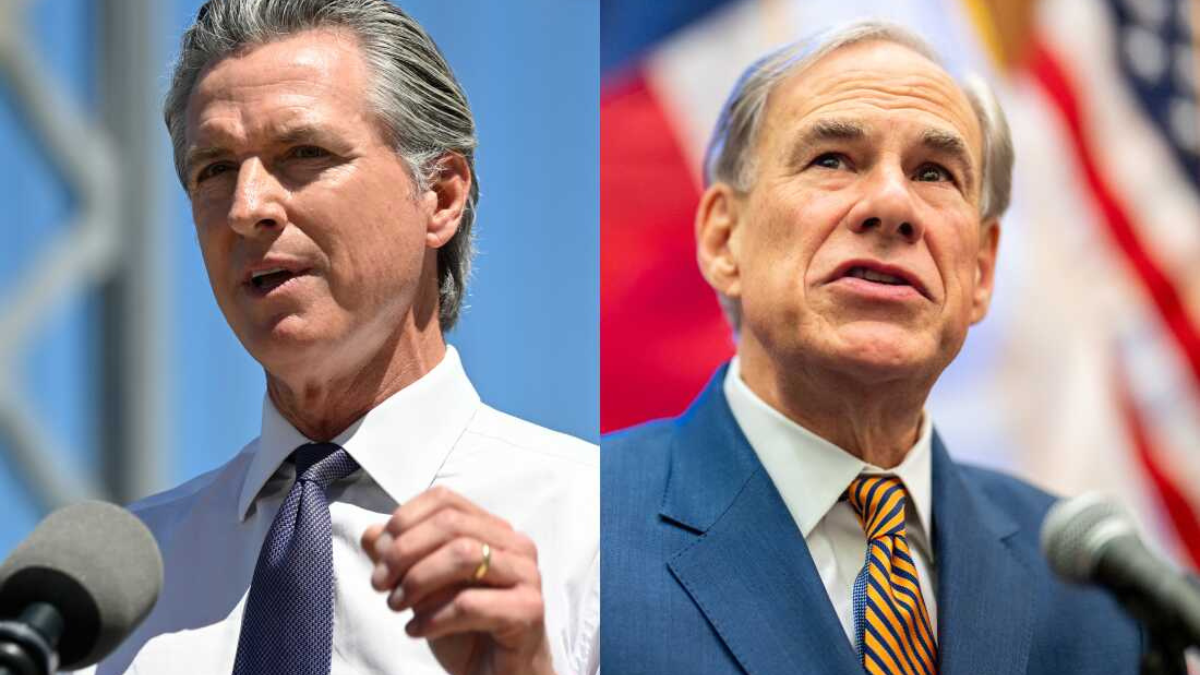
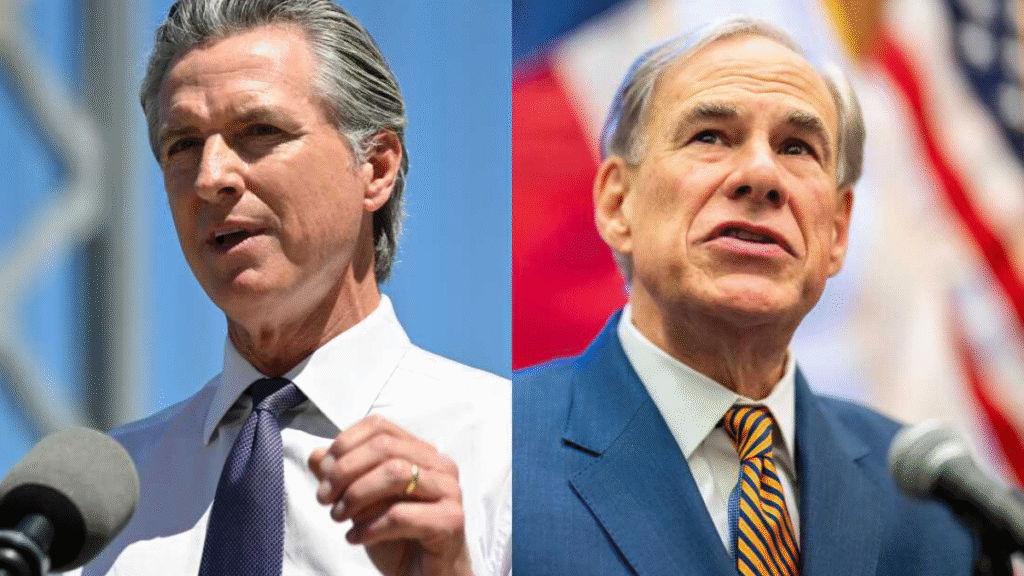
Voters are more likely to support Prop 50 after hearing pro-initiative messaging from Democratic leaders including Governor Gavin Newsom and former President Barack Obama, who frame the issue as a defense of democracy against former President Donald Trump’s actions.
Opposition arguments–led by figures such as Arnold Schwarzenegger and Charles Munger Jr.–focus on maintaining nonpartisan redistricting and warn of political gamesmanship and increased costs, but these have not swayed the majority of voters according to polling.
Political and Public Reactions
Democratic leaders contend that Prop 50 “brings accountability” and preserves electoral fairness in response to what they call “undemocratic” maneuvers in other states. In contrast, Republicans worry Prop 50 is a power grab that undermines the independence of redistricting and sets a precedent of partisan intervention.
Analysts note the supermajority Democratic legislature’s role and the $250 million budget allocated to campaign for the measure. Debates continue on how effectively Prop 50 will counteract gerrymandering or whether it risks institutional trust in California’s electoral system.
Impact on California’s Electorate
Prop 50 is seen as a pivotal response to national redistricting battles, particularly with President Donald Trump’s endorsement of mid-decade redrawing in Texas. With a majority of voters showing support, the initiative reflects Californian values on fair representation but simultaneously divides opinion over preserving nonpartisan systems versus fighting perceived partisan overreach.
The outcome of Prop 50 will influence not just the 2026, 2028, and 2030 congressional elections, but also broader debates on how states balance partisan interests with democratic principles.
This post delivers a well-structured, informative overview for readers looking to understand Prop 50’s polling trends, political stakes, and implications for California’s future.