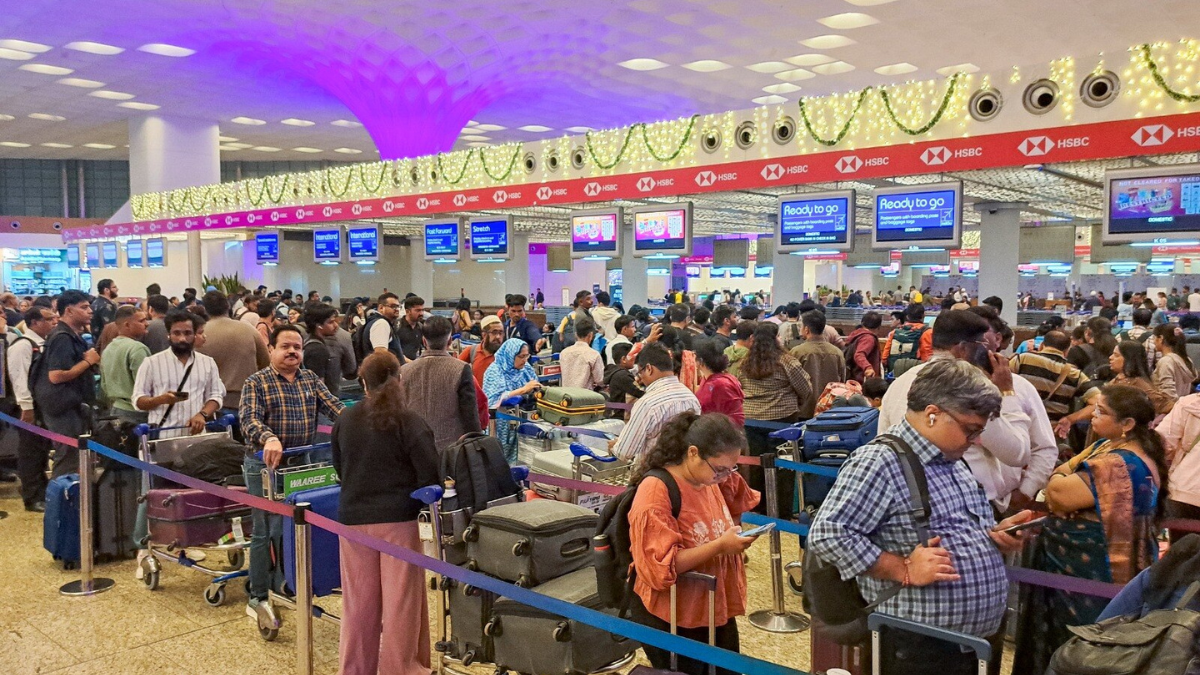
India Aviation Crisis 2025 : In early December 2025, India’s domestic aviation sector was thrown into turmoil when new safety regulations introduced for airline pilots triggered a massive operational disruption — with hundreds of flights canceled, thousands of travellers stranded, and airports across the country thrown into chaos. The fallout was so severe that the government decided to temporarily suspend the newly implemented flight duty time limitations (FDTL) and restore normalcy to flight operations for now.
What Went Wrong: The New Rules & Their Impact
The new rules, rolled out by the DGCA (Directorate General of Civil Aviation), aimed to reduce pilot fatigue by enforcing stricter rest periods, limiting night-flying hours, and capping overall duty times. These changes, meant to align with international safety norms, were introduced in two phases starting July 2025, with further tightening from November 1
Under the revised regulations:
- Pilots had to take longer weekly rest periods (weekly rest could no longer be substituted by leave).
- Night-time shifts and landings were restricted.
- Rosters had to be restructured to comply with duty-time ceilings and rest requirements.
While these norms were well-intentioned — aiming to enhance flight safety and reduce fatigue-related risks — the implementation faced major issues, especially for IndiGo. The airline’s vast network and high-frequency schedule made it particularly vulnerable. With limited margin for disruption, even modest crew shortages or scheduling slips quickly snowballed into widespread cancellations.
IndiGo’s Collapse: What Happened on the Ground
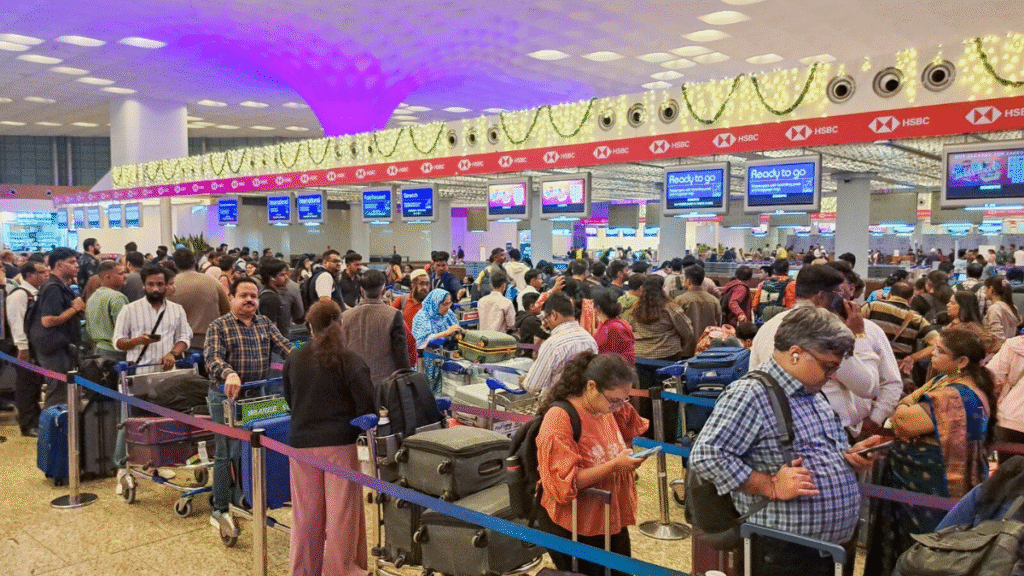
As the new rules kicked in, many of IndiGo’s flights were grounded. On some days, hundreds of flights nationwide were canceled or delayed. Major airports — including Delhi, Bengaluru, Mumbai, Hyderabad, Chennai — saw passengers stranded, exhausted, angry, and without timely updates.
IndiGo later admitted that “misjudgement and planning gaps” in adapting to the new rostering norms were major contributors to the crisis, despite having nearly two years’ notice.
- While the regulations were universal — applicable to all airlines — none were as
- adversely affected as IndiGo. Experts point to the airline’s massive scale
- of daily flights (over 2,000–2,300 flights per day) and its reliance
- on high-frequency schedules, including night flights
- as key reasons why small disruptions magnified so quickly.
Government & Regulator Response: Suspension of the Rules
Faced with mounting public outrage, chaos at airports and complaints from passengers, the government — along with DGCA — decided to halt the implementation of the FDTL norms with immediate effect. This move applies at least temporarily while a review is conducted and operational stability is restored.
Officials hope that flight schedules will stabilize soon, as the major airline continues reworking crew rosters and operational plans.
What This Means for Aviation & Safety Norms
- The decision to withdraw the new pilot duty time limitations — even if temporary
- raises serious questions about regulatory credibility and readiness for
- large-scale implementation. According to critics, the problem was not the rule
- itself but a lack of preparedness on the part of the
- airline and insufficient oversight during rollout.
Some aviation experts argue that this episode reflects a larger systemic challenge in India’s aviation sector: implementing global-standard safety regulations in an environment with high traffic volume, tight scheduling demands, and pressure to maximize profits.
The rollback might provide short-term relief to passengers and stabilize flights, but it also underscores the risk that safety measures can be diluted under operational strain — setting a worrying precedent for future regulatory reforms.
Key Takeaways
- The new safety regulations aimed to reduce pilot fatigue and improve air-travel safety.
- For the airline with the largest domestic footprint, compliance challenges led to widespread cancellations and travel chaos.
- The government and regulator decided to suspend the rules temporarily, prioritizing passenger convenience while the situation stabilizes.
- The episode raises concerns about how structural and logistical issues can undermine well-intended safety reforms.
The recent chaos triggered by the implementation of the new pilot duty-time rules — and the subsequent suspension by authorities — reflects a broader challenge facing India’s aviation industry: balancing safety regulations with operational realities. While fatigue-management norms are undeniably important for passenger safety, their sudden implementation at a large airline without adequate crew backup or planning led to a crisis of confidence among travellers and regulators alike.