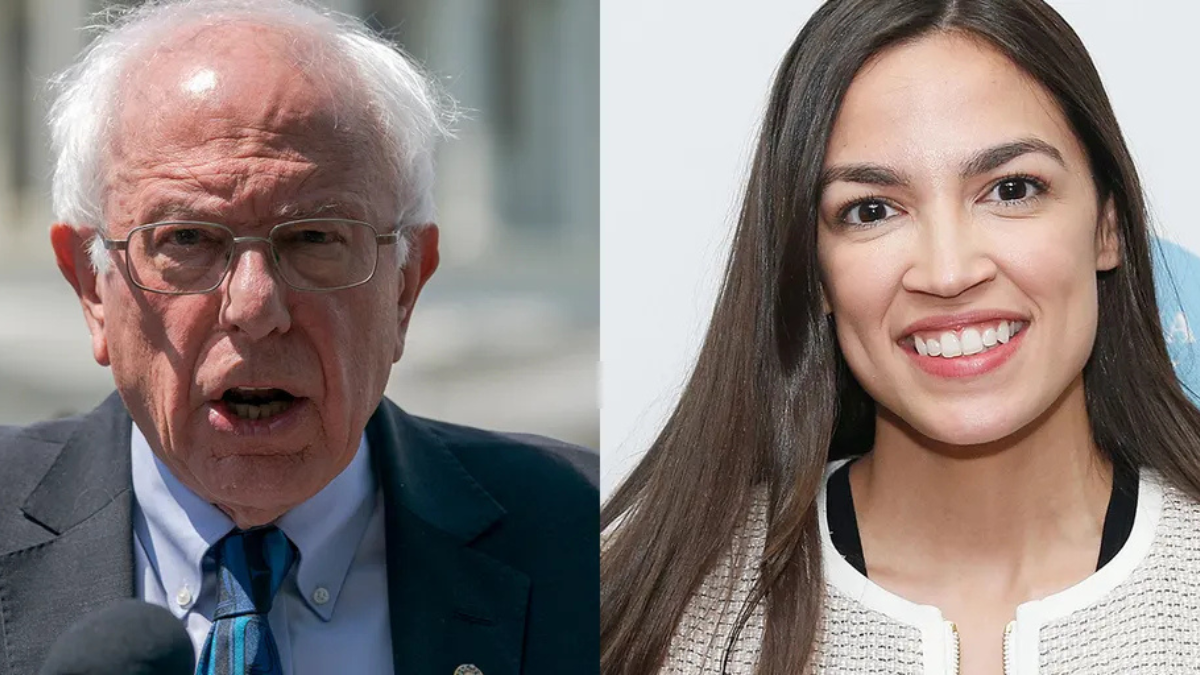
U.S. healthcare subsidies dispute : As the federal government shutdown drags into October 2025, two of the leading progressive voices in the Democratic Party, Senator Bernie Sanders and Representative Alexandria Ocasio-Cortez, have played a critical role in shaping the party’s stance and energizing its left wing. Their efforts have transformed discussions within the party and contributed significantly to the Democrats’ firm position in the ongoing shutdown dispute.
The Early Warning from Progressives

Back in March 2025, Sanders and Ocasio-Cortez spoke out against the Democratic leadership’s compromises, arguing for a stronger push on healthcare and social justice issues. At a large event in Las Vegas, Ocasio-Cortez made a pointed call for the party to more vigorously represent working-class Americans, warning that simply cooperating with Republicans would undermine progressive goals.
Their message resonated among the grassroots and quickly gained traction within the party’s base. Sanders and Ocasio-Cortez’s influence helped galvanize activists and shape the party’s evolving strategy as Democrats move through a high-pressure environment dominated by Republican obstructionism.
The Political Shift Within the Democratic Party
The influence of these progressive stalwarts was felt clearly during a private strategy meeting in September 2025 when Democratic Representative Jared Moskowitz highlighted the energized left wing as a key reason for holding a tough line on healthcare funding, even at the risk of a government shutdown.
“What’s happening is a shift from inside the party,” Moskowitz told colleagues, adding that dismissing the left’s voice could trigger a “tea party”-style revolt reminiscent of the conservative insurgency in 2010. This perspective illustrated the growing power of progressives in shaping party tactics during critical negotiations.
The Shutdown and Healthcare Funding Battle
Since October 1, 2025, the federal government has been in partial shutdown, caused by a stalemate over funding. Democrats insist that Republicans agree to extend billions in subsidies for Obamacare marketplace insurance plans set to expire at year’s end.
Senate Democratic leader Chuck Schumer faced internal pressure but has since adopted a more entrenched position, influenced in part by Sanders’ data and advocacy. The Vermont Senator has been present at key discussions, armed with polling showing strong public support for Democrats’ stance.
Meanwhile, Ocasio-Cortez has kept the spotlight on progressive demands and has not ruled out challenging Schumer in a primary, signaling her intent to hold leadership accountable to progressive values.
Moderates vs. Progressives Within the Party
The shutdown has brought to light tensions between progressives and moderates. For example, Maine Representative Jared Golden criticized the shutdown for its impact on federal workers and essential services, labeling it a harmful tactic driven by internal party politics.
Golden’s position sparked a primary challenge from a progressive opponent who supports the party’s hardline push on healthcare spending and shutdown tactics. This contest exemplifies the ongoing ideological battles shaping Democratic politics.
Public Opinion and Political Implications
Polling shows that Americans largely blame Republicans for the shutdown, with 39% attributing responsibility to Trump and congressional Republicans, 30% to Democrats, and 31% to both parties equally.
As the standoff continues without resolution, leadership on both sides remain unwilling to yield. Republican leaders refuse to negotiate healthcare funding until the government reopens, while Democrats hold firm on protecting Obamacare subsidy expansions.
Looking Ahead: Impact of Progressive Influence
Sanders and Ocasio-Cortez’s efforts have injected renewed energy and clarity into the Democratic Party’s approach, ensuring that progressive priorities take center stage in this critical political battle.
As the fight unfolds, their role in rallying public support and pressuring leadership could have lasting repercussions on the party’s direction and unity heading into future elections.