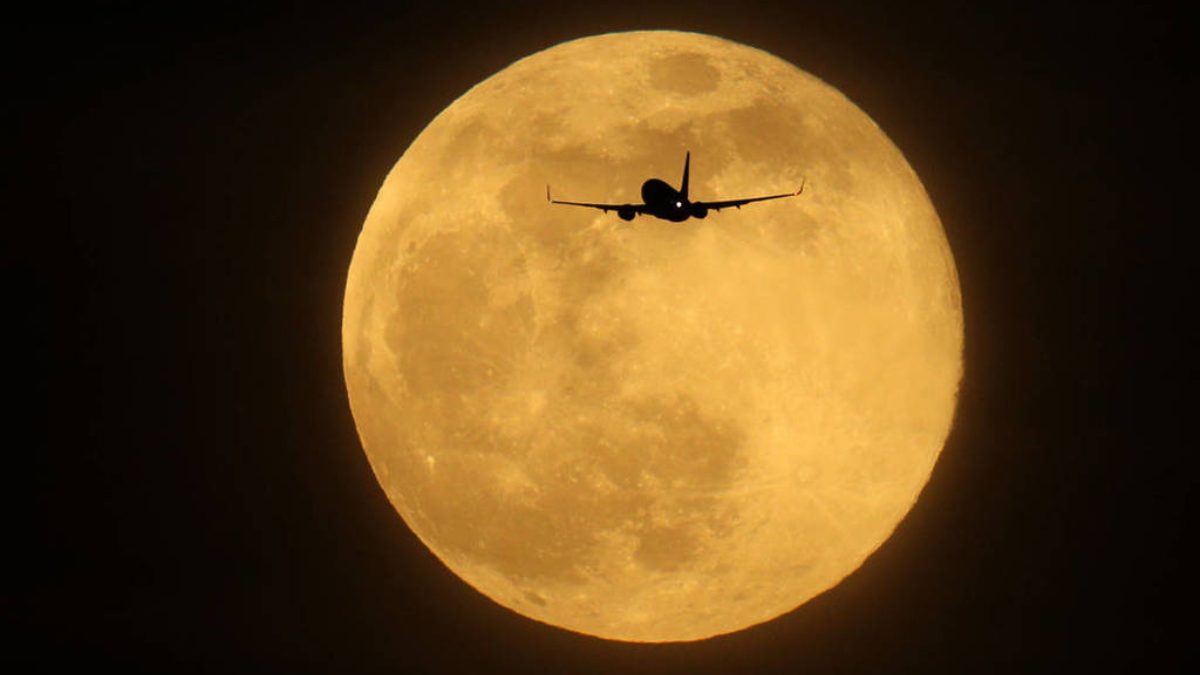
2025 Harvest Moon : The Harvest Moon is defined as the full moon closest to the autumnal equinox. In most years, this occurs in September, but in 2025, the October full moon falls just 14.395 days after the equinox, making it closer than the September full moon, which occurred 15.006 days before. This rare shift places the Harvest Moon in October, a phenomenon that happens approximately every three years but can vary, with gaps as long as eight years. Between 1970 and 2050, only 18 years feature an October Harvest Moon, with the last in 2020 and the next in 2028
Origins of the Harvest Moon Name
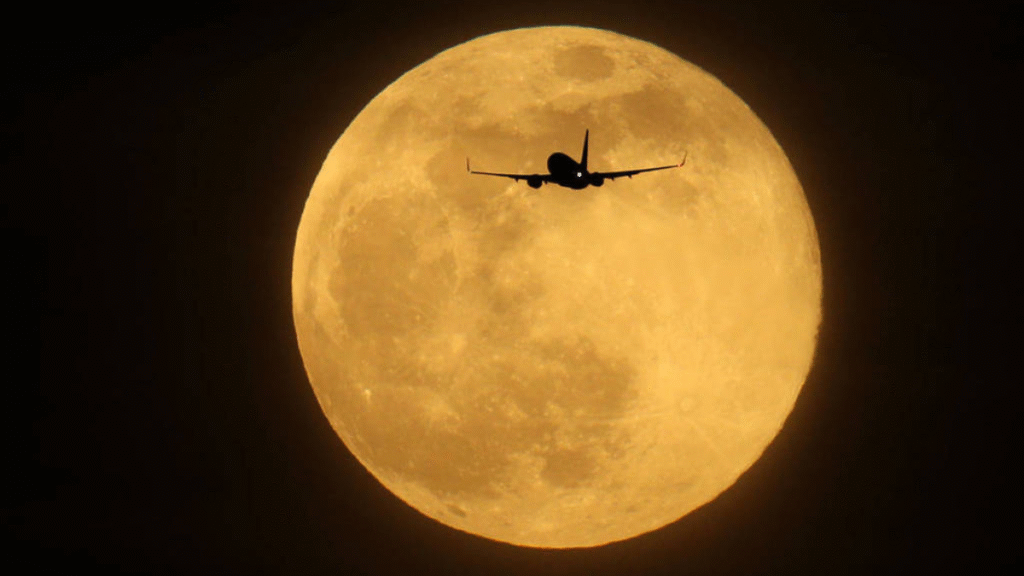
seasons. This particular moon earned its name because its bright light allowed farmers to extend harvesting into the night, especially for staple crops like corn, pumpkins, squash, beans, and wild rice. The moon officially turns full on October 7 at 03:48 GMT (11:48 p.m. EDT on October 6) when it reaches a point 180 degrees opposite the sun in the sky
Unique Lunar Behavior During Harvest Moon
Contrary to popular belief, the Harvest Moon does not stay in the sky longer than other full moons. That distinction belongs to the full moon nearest the winter solstice, which can remain above the horizon for over 15 hours at mid-northern latitudes. Instead, the Harvest Moon’s uniqueness lies in its rising pattern. Normally, the moon rises about 50 minutes later each night, but around the Harvest Moon, this interval shortens significantly. In Boston, for example, moonrise shifts by only 24 minutes between October 5 and 7—5:32 p.m., 5:55 p.m., and 6:20 p.m., respectively. This creates nearly full moonlight for several consecutive evenings, minimizing darkness and aiding nighttime harvests.space
Geographic Variations in Moonrise Times
The moonrise interval varies by latitude due to the ecliptic’s angle with the horizon. In southern locations like Miami (25.8°N), the delay averages 37 minutes, while in northern areas like Edmonton, Canada (56.7°N), it drops to just 11 minutes. In the Southern Hemisphere, the opposite occurs: at Christchurch, New Zealand (43.5°S), moonrise comes 81 minutes later each night. Near 70°N latitude, the moon rises at nearly the same time for several nights; in Barrow, Alaska (71.3°N), it actually rises earlier—by about 43 minutes each night during this period