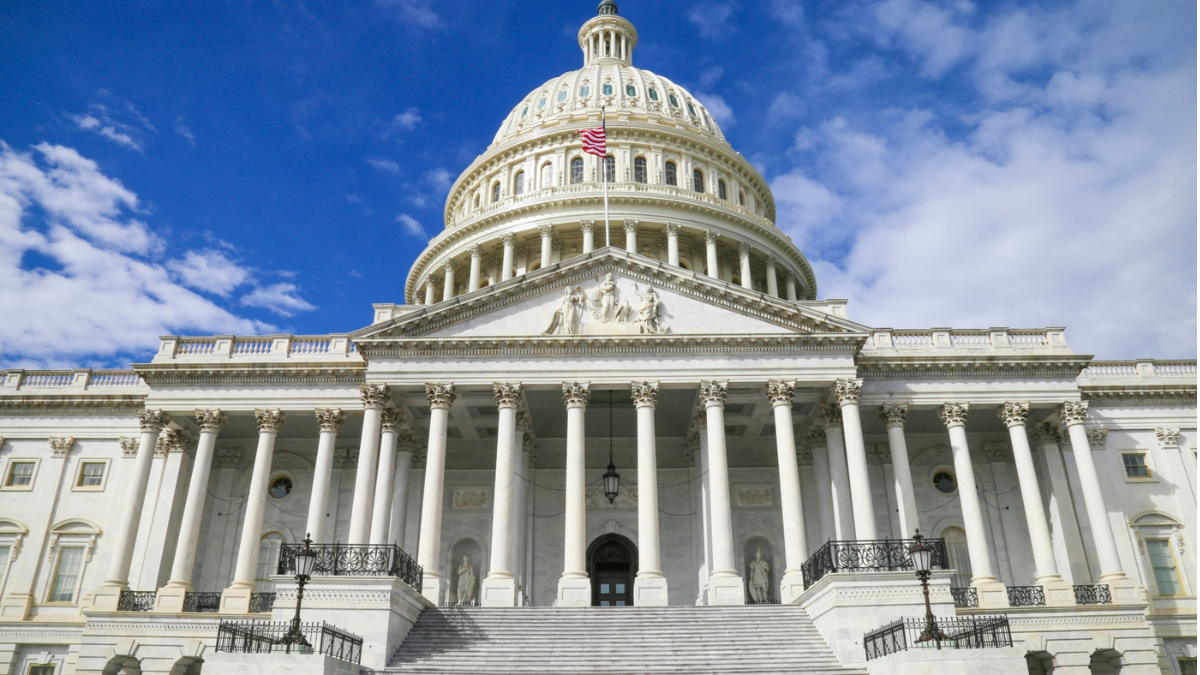
U.S. labor market 2025 : The federal government officially shut down on October 1, 2025, after Congress failed to pass a funding bill amid deep partisan disagreements. This shutdown comes at a particularly fragile moment for the U.S. economy and has raised concerns about its potential impact on markets, federal workers, and retirement accounts such as 401(k) plans.
A Fragile Economy Faces Uncertainty
Unlike past shutdowns—which have typically been short-lived and caused only temporary disruptions—the 2025 government shutdown poses heightened risks. The U.S. economy in 2025 shows signs of vulnerability, especially in the labor market, which has been faltering. The Trump administration has reportedly signaled intentions to implement widespread permanent layoffs of federal employees during this shutdown, which would mark a sharp departure from previous shutdowns where furloughed workers were eventually reinstated.
Economists warn that these permanent job cuts could have lasting economic consequences. Stephanie Roth, chief economist at Wolfe Research, stated that such layoffs would be a significant challenge and unsustainable in the medium term. Jared Bernstein, a senior Biden administration economic adviser, emphasized the injustice and economic harm of forcing workers into unemployment during a shutdown, highlighting the broader negative ripple effects on the economy.
Impact on Economic Data and Decision-Making
- A major concern is the interruption in collection and reporting of critical economic
- data due to the shutdown. Agencies like the Bureau of Labor Statistics (BLS)
- will be unable to release important reports, including the September jobs report,
- which is crucial amidst recent labor market instability and revised prior data.
- Extended shutdown periods could also disrupt surveys needed for upcoming reports,
- including the vital inflation data relied upon by the Federal Reserve to make interest rate decisions.
Citigroup’s chief economist Nathan Sheets noted that interpreting labor market and inflation data is already complex, and a data blackout caused by the shutdown would exacerbate uncertainty for policymakers, investors, and business leaders. The absence of timely economic data leaves decision-makers in the dark, complicating efforts to navigate an already delicate economic environment.
Minimal Immediate Market Reaction But Potential Risks
Historically, government shutdowns have had minimal direct impact on the stock markets. Since 1976, the S&P 500 has shown almost no average change during shutdowns, and even increased by roughly 10% during the 2018-2019 shutdown, according to Truist Wealth. As of late September 2025, Wall Street remains relatively unfazed, with stock prices near all-time highs despite the looming shutdown.
Market experts say shutdowns tend to resemble temporary events like hurricanes or snowstorms—causing delays but not lasting economic damage. However, the unique circumstances of this shutdown, including the threat of widespread federal layoffs and the fragile economic backdrop, may lead to different outcomes if the shutdown is prolonged.
Effects on Federal Workers and Public Services
Approximately 750,000 federal employees face furloughs—meaning they will be temporarily laid off without pay—while essential workers will continue to work but might experience delayed paychecks. The shutdown impacts many areas, from delayed immigration hearings and halted federal loans to disruptions in national park access and increased airport security lines due to staffing shortages.
- Despite these disruptions, Social Security, Medicare, Medicaid, and unemployment
- some impacts on vulnerable Americans. However, the overall economic effect of
- through regional economies reliant on federal employment.
What This Means for Your 401(k)
While the shutdown itself typically does not directly affect 401(k) accounts, the broader economic uncertainty and market fluctuations during such periods can influence retirement savings. Markets tend to recover quickly after past shutdowns, but the current economic fragility and data disruptions may increase short-term volatility.
Recently, regulatory changes have also aimed at expanding investment choices in 401(k) plans, including alternative assets like private equity. These changes could affect how retirement savers manage risk and returns in uncertain times, though employer adoption of such options varies.
The 2025 government shutdown introduces significant economic uncertainty amid an already shaky labor market and fragile economy. While stock markets have so far shown resilience, the potential for permanent job losses and crucial data gaps creates risks that both investors and policymakers will watch closely. For federal workers and everyday Americans, the shutdown means lost income and delayed government services, underscoring the real-world consequences beyond the political stalemate.